How to Improve Your CIBIL Score Fast (Step-by-Step Guide for India)

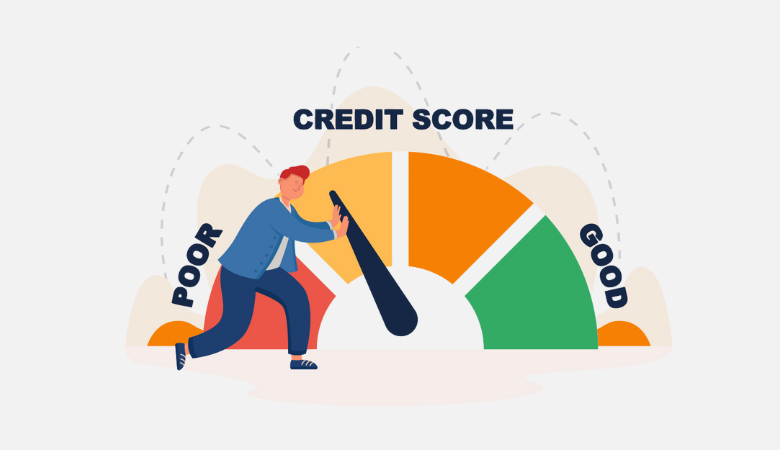
Your CIBIL score decides how easily you get a loan, credit card, or EMI approval. Many people only understand its importance after a rejection. The bank rarely explains the exact reason, but most of the time the issue is not income — it is credit behaviour. A strong score makes banks trust you, while a weak score makes even small loans difficult. The good news is that a credit score is not permanent. It changes every month based on your actions. If you follow the right steps consistently, you can start seeing improvement within a few billing cycles.
Understand What a Good CIBIL Score Means
Your score usually ranges from 300 to 900. A higher number means lower risk for lenders. Banks generally feel comfortable above 750, cautious between 650 and 750, and restrictive below that range. The score does not measure how rich you are. It measures how reliably you repay borrowed money. Even a person with a modest salary can maintain an excellent score if payments are disciplined and borrowing is controlled.
Pay Every EMI Before the Due Date
Payment history is the most powerful factor affecting your score. One late payment can stay in the record for years and reduce trust immediately. Always pay at least the minimum due before the due date. Setting automatic payment instructions helps avoid forgetfulness. Regular on-time payments slowly rebuild credibility because lenders start seeing a pattern of responsibility.
Reduce Credit Card Usage Ratio
Using the entire credit limit signals financial stress. Try to keep your usage below around thirty percent of your total limit. If your card limit is ₹50,000, aim to spend less than ₹15,000 before the statement date. Even if you pay the full bill later, high usage during the month can still lower the score. Lower utilisation shows control and improves credit health steadily.
Avoid Multiple Loan Applications Together
Applying for many loans within a short time makes lenders think you urgently need money. Each application creates a record called a hard enquiry. Too many enquiries in a few months can reduce the score quickly. Apply only when necessary and give a gap between applications so your profile appears stable.
Keep Old Credit Accounts Active
Many people close their oldest credit card thinking it improves their profile. In reality, older accounts show long-term reliability. A longer credit history increases trust. Instead of closing your first card, keep it active with small occasional usage and timely payment. This strengthens your record over time.
Clear Pending Dues and Settlements
If you previously settled a loan for a lower amount, it damages your profile more than a normal closure. Try to repay remaining dues fully whenever possible and update the status to closed instead of settled. Once corrected, your score gradually starts recovering because lenders see responsibility instead of compromise.
Mix Secured and Unsecured Credit Carefully
Only unsecured loans like personal loans and credit cards can make your profile look risky. A balanced mix, such as a secured loan or small consumer durable EMI, shows repayment ability across different credit types. Balance improves confidence in your repayment behaviour.
Check Your Credit Report Regularly
Sometimes wrong entries or old unpaid accounts appear in reports due to data errors. Reviewing your report helps you identify mistakes early and raise correction requests. Fixing incorrect information can instantly improve your score without changing income or expenses.
Be Patient but Consistent
Credit improvement is not instant but it is predictable. Within a few months of disciplined payments and controlled usage, the trend turns positive. Within a year, significant improvement becomes visible. The key is consistency. A score increases slowly but drops quickly, so stability matters more than speed.
Final Thoughts
Your CIBIL score is a financial reputation number. It tells lenders how safe it is to trust you. You cannot change the past, but you can control every upcoming payment. Small actions repeated monthly create a strong profile over time. Pay on time, borrow carefully, and keep usage low. When your score improves, approvals become easier, interest rates become lower, and financial opportunities open without stress.